
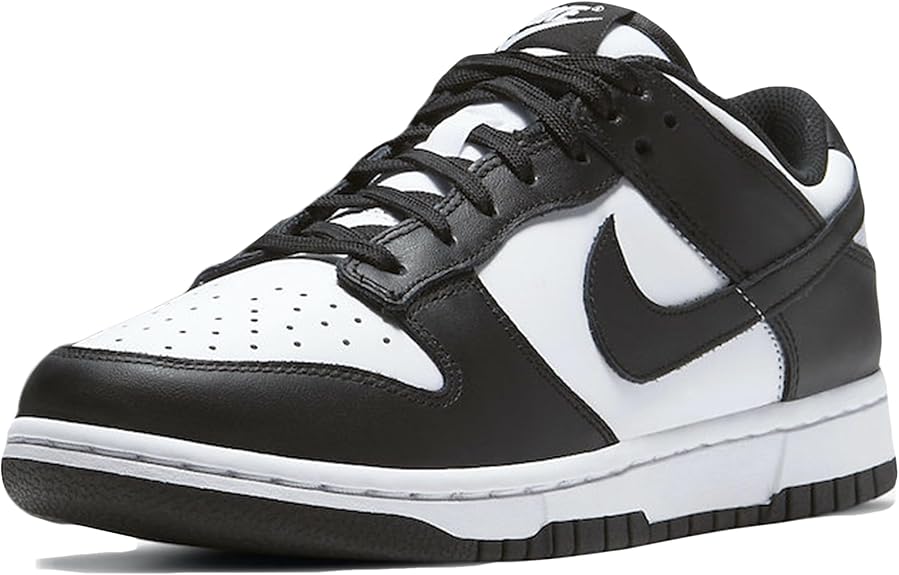
The world of sneakers is a vast and ever-evolving landscape, filled with fleeting trends and technological marvels. Yet, amidst the constant churn, certain silhouettes achieve a status that transcends mere footwear. They become icons, cultural touchstones that tell a story far richer than their leather and rubber composition. The Nike Men’s Dunk Low Retro Sneaker is one such icon. More than just a shoe, it is a canvas for creativity, a symbol of subcultural identity, a piece of sports history, and a cornerstone of modern fashion. This deep dive explores the complete journey of the Dunk Low—from its humble beginnings on the hardwood to its throne as a streetwear legend and its ongoing reign in the Nike Men’s Dunk Low Retro Sneaker era.
Part 1: Genesis on the Hardwood (1985-1990s)Nike Men’s Dunk Low Retro Sneaker
To understand the Nike Men’s Dunk Low Retro Sneaker of today, we must first travel back to the mid-1980s. The basketball scene was dominated by a rivalry not just between players, but between brands. Nike had just unleashed the Air Jordan 1, a shoe that would forever change the relationship between athletes, sneakers, and culture. But while Michael Jordan was soaring in the NBA, the collegiate scene was a different battleground. It was here that Nike strategist Peter Moore and designer Peter Kamper conceived the Nike Dunk.
The “Be True to Your School” Campaign
Launched in 1985, the Dunk was not designed as a single, monolithic shoe. Its genius lay in its modularity. The shoe was released in a series of colorways that directly corresponded to the hues of major NCAA basketball programs. This was the “Be True to Your School” campaign. The University of Kentucky got a blue and white pair. Georgetown received grey and blue. Michigan, St. John’s, UNLV, and others all had their own dedicated color schemes.
This was a masterstroke in marketing. It allowed fans to wear their allegiance literally on their feet. The Dunk was a functional basketball shoe, built with a high-top collar for ankle support and a robust rubber cupsole for traction, but its identity was intrinsically linked to team spirit and campus pride. The simple, paneled construction of the upper—a toe box, eyestay, forefoot, quarter, and heel counter—made it the perfect canvas for these bold, two-tone designs.
Design and Functionality: The Blueprint of an Icon
The original Dunk’s design was a study in pragmatic elegance. It featured a premium leather upper that was both durable and comfortable. The large, contrasting Nike Swoosh was a bold statement of branding. The padded collar and tongue provided lockdown and comfort for athletes, while the herringbone-patterned outsole offered reliable grip on the court. At its heart was the Nike Air cushioning unit embedded in the midsole, providing responsive impact protection—a key selling point at the time.
However, the Dunk’s time in the spotlight as a performance basketball shoe was relatively short-lived. Technological advancements quickly gave rise to more sophisticated footwear. Yet, as its relevance on the court waned, its destiny on the streets was just beginning.
Table of Contents
Part 2: The Subcultural Catalyst: Skateboarding Adopts the Dunk
If collegiate basketball gave the Dunk its initial identity, it was the skateboarding subculture of the 1990s and early 2000s that resurrected it and infused it with a new, rebellious soul. Skaters, always on the hunt for durable, affordable, and grippy footwear, discovered the Dunk. Its flat, wide outsole was perfect for gripping skateboard decks. The robust leather panels could withstand the abrasion of grip tape and concrete. The low-top version, in particular, offered the ankle mobility skaters needed.
But it wasn’t just about function. The Dunk’s paneled construction and vast array of original colorways made it visually appealing. Skaters saw its potential not just as a tool, but as a form of self-expression. This organic adoption did not go unnoticed by Nike.
The Birth of Nike SB
In 2001, Sandy Bodecker, a visionary at Nike, was tasked with creating a division dedicated to the authentic skateboarding market. The result was Nike SB. For its flagship shoe, Bodecker and his team looked no further than the Dunk Low. It was the perfect foundation. They made key modifications to tailor it for skateboarding:
- Zoom Air Insoles: Replacing the standard Air unit, these provided enhanced cushioning and board-feel.
- Padded Tongues: The tongues were made thicker to prevent pressure points from tight lacing, a common skater practice.
- Durable Materials: They experimented with a wider range of materials, including suede, which was more preferred by skaters for its grip and aesthetic.
The Nike Men’s Dunk Low Retro Sneaker, in its new SB incarnation, was about to explode.
The Collaboration Revolution: “Dunk SB” as Cultural Currency
Nike SB’s masterstroke was its collaborative model. They partnered with iconic skate shops, fashion boutiques, and artists from around the world to create limited-edition Dunk Lows that were instant grails. These weren’t just colorways; they were stories.
- 2002: The “White Dunk” Evolution: This project saw artists like Futura and Stash customize a simple white Dunk, signaling the model’s new direction as a canvas for art.
- 2005: The “Pigeon” Dunk by Jeff Staple: Perhaps the most infamous Dunk of all time. The release at Reed Space in New York caused near-riots, was covered by news media, and cemented the Dunk SB’s status as a cultural phenomenon. It demonstrated the sheer power of hype, scarcity, and storytelling.
- Tiffany & Co. (2005): A collaboration with the luxury jeweler, featuring a black suede upper with Tiffany Blue accents and a sterling silver shoelace tag. It blurred the lines between streetwear and high fashion in an unprecedented way.
- Supreme: A recurring partnership with the streetwear giant, with each release causing a frenzy and becoming a benchmark for cool.
These collaborations transformed the Nike Men’s Dunk Low Retro Sneaker from a shoe into a collectible artifact. It became a form of wearable art, a badge of honor within the sneakerhead community, and a symbol of being “in the know.”
Part 3: Deconstructing the Icon: The Anatomy of a Dunk Low Retro
What makes the Nike Men’s Dunk Low Retro Sneaker so visually and physically compelling? Its enduring appeal lies in its perfectly balanced and deceptively simple design. Let’s dissect its anatomy:
1. The Upper: A Canvas of Leather and Panels
The upper is constructed from multiple panels, typically using a combination of leather and synthetic materials. On retros, you’ll often find:
- Premium Leather: Used in the toe box, quarter, and heel for durability and a clean look.
- Suede or Nubuck: Frequently used in collaborative and special editions for a premium, textured feel.
- The Swoosh: The oversized, contrasting Nike Swoosh is the shoe’s most dominant branding element. It’s almost always made from a different material or color than the surrounding panels, creating the iconic two-tone look.
2. The Collar and Tongue
The low-cut collar provides a classic, versatile silhouette that works with virtually any style of pants or shorts. The tongue is generously padded for comfort and features a Nike branding tag, which on SB models is famously thick.
3. The Midsole: Classic Profile and Cushioning
The midsole maintains the original’s chunky, vintage basketball profile. It houses the Nike Air cushioning unit in the heel, which provides a comfortable and responsive ride for everyday wear. The midsole is often painted in a contrasting color, a key detail that defines many classic colorways.
4. The Outsole: Herringbone Traction
The outsole is made of solid rubber with a classic herringbone traction pattern. This pattern, borrowed from its basketball heritage, provides excellent grip on a variety of surfaces. The color of the outsole (often a matching or contrasting hue) is a critical design element.
5. Branding and Details
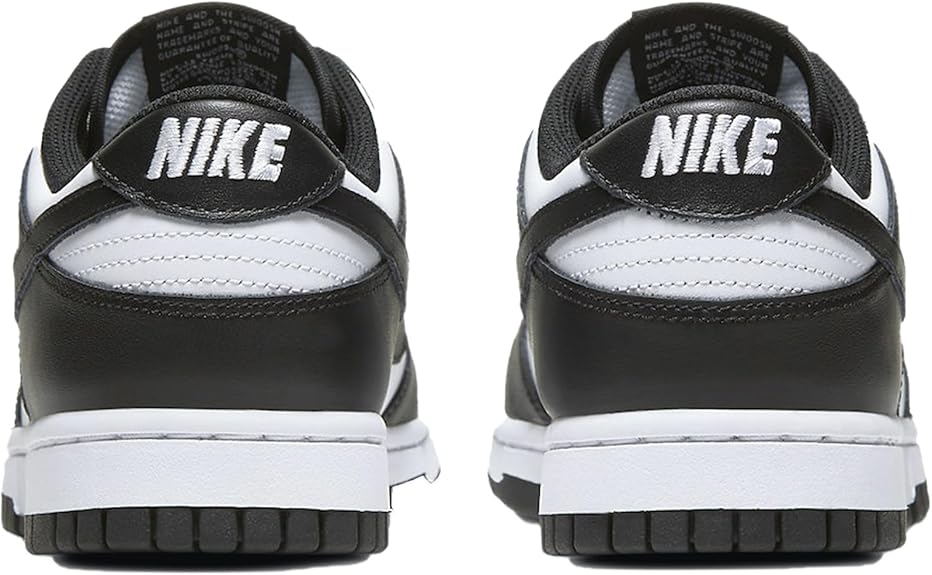
- Heel Tab: Features the “NIKE” wordmark in embroidered text.
- Heel: Often has a contrasting overlay panel, another signature element.
- Insole: Typically branded with the Nike logo or, in the case of retros, sometimes features specific graphics related to the release.
This timeless anatomy is what makes the Nike Men’s Dunk Low Retro Sneaker so endlessly customizable and desirable. It is a design formula that is incredibly difficult to improve upon.
Part 4: The Retro Era and Modern Hype (2015-Present)
After a slight dip in the late 2000s, the Dunk Low began its triumphant return to the mainstream in the mid-2010s, culminating in the “Dunk Renaissance” of the late 2010s and 2020s. This resurgence can be attributed to several key factors:
1. Nostalgia and the Vintage Aesthetic
The cyclical nature of fashion, combined with a wave of nostalgia for the 80s and 90s, brought classic basketball silhouettes back into vogue. The Nike Men’s Dunk Low Retro Sneaker, with its clean lines and retro appeal, was perfectly positioned to capitalize on this trend.
2. Strategic Re-releases and New Colorways
Nike began strategically re-releasing iconic “Be True to Your School” colorways and other archival Dunks, often with updated materials and construction. They also introduced a slew of new colorways that tapped into contemporary color trends, from muted “Atmosphere” and “Ceramic” packs to bold “Community Garden” and “Chlorophyll” reissues.
3. The Power of Celebrity Endorsement
The modern hype cycle is fueled by celebrities. When figures like Travis Scott, Virgil Abloh, and countless other influencers and artists were spotted wearing Dunk Lows, demand skyrocketed. A simple photo could turn a relatively unknown colorway into an instant must-have. Travis Scott’s own collaborative “Cactus Jack” Dunk Lows, with their unique bandana-print overlays and removable paisley laces, became one of the most sought-after sneakers of 2020.
4. The Mainstreaming of Sneaker Culture
Platforms like StockX and GOAT created a transparent, global marketplace for sneakers, turning them into liquid assets. The Nike Men’s Dunk Low Retro Sneaker became a staple on these platforms, with prices for coveted pairs often reaching several times their retail value. This financial aspect brought in a new wave of consumers who saw Dunks not just as footwear, but as an investment.
5. The “SB” to “Retro” Pipeline
Many of the most hyped modern retros are direct reissues of iconic Nike SB collaborations from the 2000s. The re-release of the “Pigeon” Dunk, the “Tiffany” Dunk (reimagined as the “Tiffany & Co.” Air Force 1 and then a new Dunk), and various Supreme colorways introduced these legendary stories to a new generation, further cementing the Dunk’s mythos.
Part 5: A Collector’s Guide: Navigating the World of Dunks Nike Men’s Dunk Low Retro Sneaker
For those looking to enter the world of the Nike Men’s Dunk Low Retro Sneaker, the landscape can be daunting. Here’s a brief guide to the different tiers and what to look for.
Tier 1: General Release (GR) Dunks
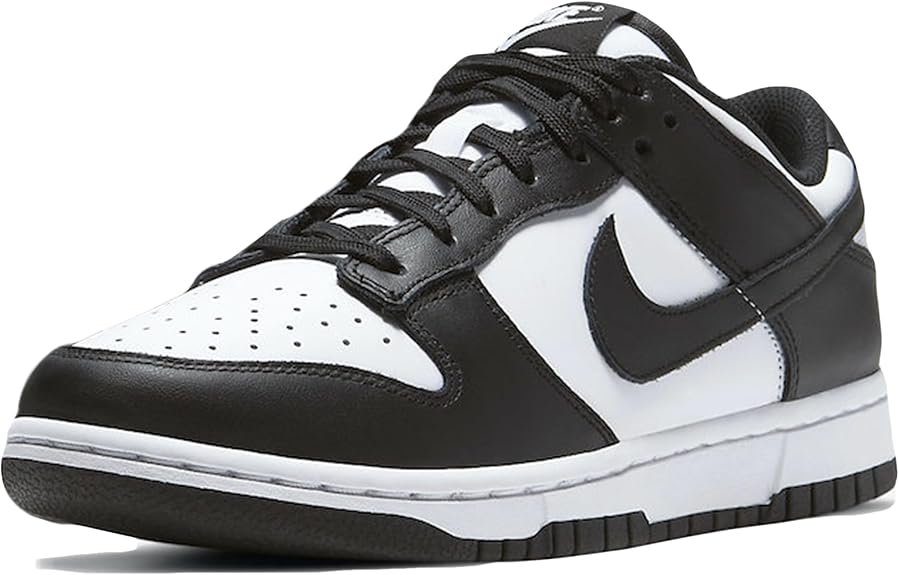
These are colorways produced in large quantities and are the most accessible (in theory). They often include classic two-tone color-blocking and are a perfect entry point for any collection. Examples include the “Black/White,” “University Blue/White,” and “Vast Grey” Dunks.
Tier 2: Premium and “By You” Dunks
This tier includes Dunks made with higher-quality materials like suede, premium leather, or unique textures. Nike’s “Dunk By You” service also allows customers to create their own custom colorways, offering a level of personalization for those who miss out on limited drops.
Tier 3: Collaborative Dunks
These are the crown jewels. Created in partnership with other entities, they are produced in limited numbers and carry a premium. This includes collaborations with:
- Skate Shops: (e.g., Concepts, Premier, FTC)
- Fashion Brands: (e.g., Off-White, COMME des GARÇONS, Travis Scott)
- Artists and Personalities: (e.g., Ben & Jerry’s, Grateful Dead, StrangeLove)
Tier 4: Hyper-limited and “What The” Dunks
At the apex are the rarest of the rare. This includes “What The” Dunks, which take panels and details from multiple iconic Dunks to create a chaotic, patchwork-style masterpiece. It also includes one-off prototypes and extremely limited regional releases.Nike Men’s Dunk Low Retro Sneaker
Authentication and The Resale Market
Due to their popularity, the Nike Men’s Dunk Low Retro Sneaker is heavily counterfeited. When buying on the secondary market, it is crucial to use reputable platforms that offer authentication services. Learn the key details: stitching quality, shape of the Swoosh, color accuracy, tags, and box labels.
Part 6: Styling the Icon: The Dunk Low in Everyday Wear
The versatility of the Nike Men’s Dunk Low Retro Sneaker is a key component of its enduring appeal. It is a chameleon that can adapt to a wide range of personal styles.
- Streetwear Essential: The most natural habitat for the Dunk. Pair them with baggy or straight-fit jeans, cargo pants, or shorts. Combine with a graphic tee, hoodie, and a beanie or baseball cap for a classic, effortless streetwear look.
- Smart-Casual Twist: The Dunk’s clean lines allow it to be dressed up in a way that few other sneakers can. Try pairing a neutral-toned Dunk (like a “Sail” or “Grey” colorway) with well-fitted chino pants, a crisp button-down shirt or a high-quality knit sweater. This juxtaposition of high and low is a cornerstone of modern menswear.
- Athleisure Comfort: For a comfortable, on-the-go outfit, wear your Dunks with tailored sweatpants or joggers and a simple, minimalist top.
- A Note on Color: Let your Dunk choice guide your outfit. A loud, collaborative pair can be the statement piece of an otherwise neutral outfit. A simple black and white Dunk can serve as a foundational element that ties a more complex outfit together.
Part 7: The Legacy and The Future
From the polished courts of the NCAA to the gritty skateparks of the world and onto the global fashion stage, the journey of the Nike Men’s Dunk Low Retro Sneaker is unparalleled. It has served as a mirror reflecting the evolution of youth culture, from team spirit to subcultural rebellion to digital-age hype.
Its legacy is multifaceted:
- A Design Masterpiece: It proves that perfect proportions and thoughtful paneling can create a timeless silhouette.
- A Collaborative Pioneer: It helped pioneer the model of high-profile, limited-edition collaborations that now dominates the industry.
- A Cultural Bridge: It seamlessly connects the worlds of sport, skateboarding, art, fashion, and music.
- A Democratic Icon: While certain pairs are exclusive, the silhouette itself is accessible and beloved by a diverse global audience.
What does the future hold for the Nike Men’s Dunk Low Retro Sneaker? While hype cycles may ebb and flow, the Dunk’s fundamental strengths ensure its longevity. Nike will continue to mine its vast archives for re-releases, partner with new creatives for fresh interpretations, and release new colorways that capture the zeitgeist. We can expect to see more sustainable materials, as with the “Nike Forward” initiative, incorporated into the model.
The Dunk Low is no longer just a retro sneaker; it is a permanent fixture in Nike’s portfolio and in global culture. It has earned its place alongside the Air Force 1 and the Air Jordan 1 as a true legend. Its story is still being written, with every new release, every collaboration, and every step taken by someone who laces up a pair, adding a new sentence to its enduring narrative. The Nike Men’s Dunk Low Retro Sneaker is not a relic of the past; it is a living, breathing icon, forever evolving while staying true to the simple, perfect design that started it all. Nike Men’s Dunk Low Retro Sneaker
Part 8: The Art of the Collaboration: A Deeper Dive into Iconic Partnerships
The resurrection and ultimate coronation of the Nike Men’s Dunk Low Retro Sneaker are inextricably linked to Nike SB’s collaborative model. To understand the Dunk is to understand these partnerships—not just as product drops, but as cultural events that told stories and built mythology. Let’s dissect a few more landmark collaborations that shaped the sneaker’s legacy.
The Conceptual Storytellers: Concepts “Lobster” Series
Boston-based boutique Concepts is a master of narrative-driven collaborations. Their “Lobster” series for the Dunk Low is a prime example of how a local story can achieve global resonance. It began in 2008 with the “Blue Lobster” Dunk. The inspiration was drawn from New England’s lobster fishing industry, but the storytelling was in the details. The shoe came in special packaging resembling a styrofoam lobster crate, complete with a rubber band around the ankle collar, mimicking how lobster claws are secured. The materials were premium—a shaggy suede upper in a rich blue, with subtle speckling on the midsole representing saltwater spray.
The hype was immense, but Concepts didn’t stop there. They followed up with the “Yellow Lobster” (2009), a even more limited release, and later, the “Red Lobster” (2015) and “Purple Lobster” (2018). Each release played with scarcity and desire, creating a family of shoes that collectors desperately tried to complete. The “Lobster” packs demonstrated that a collaboration could be more than a colorway; it could be a recurring chapter in an ongoing story, building a legacy that far outstripped any single release.
The High-Art Infusion: Jeff Staple’s “Pigeon” and the Power of Controversy
We mentioned the “Pigeon” Dunk earlier, but its cultural impact deserves a deeper analysis. Jeff Staple, a New York designer, wanted to create a shoe that represented the essence of downtown New York City. He chose the pigeon—not the majestic eagle or hawk, but the resilient, ubiquitous, and often-overlooked bird that survives and thrives in the urban jungle. This was a genius, subversive concept. It was authentic.
The release on February 22, 2005, at Reed Space, however, is what catapulted the shoe into legend. The line was so massive and the crowd so frenzied that the New York Police Department advised Staple to cancel the in-store release for safety reasons. The event was covered on the front page of the New York Post with the headline “Sneaker Riot!” This media coverage was a watershed moment. It proved to the mainstream world that sneakers were not just shoes; they were objects of such intense desire that they could cause civil unrest. The “Pigeon” Dunk became a symbol of the explosive power of hype culture, and for Staple, it was a career-defining moment that cemented his status as a bridge between street culture and high design.
The Nostalgia Alchemists: Travis Scott and the “Cactus Jack” DunkNike Men’s Dunk Low Retro Sneaker
Travis Scott’s influence on contemporary sneaker culture is immeasurable. His approach to collaborations is deeply personal, often drawing from his Texan roots and a distinct, psychedelic-nostalgic aesthetic. His Nike Men’s Dunk Low Retro Sneaker, the “Cactus Jack” Dunk from 2020, is a masterclass in modern collaboration.
At first glance, it appears to be a simple brown and blue colorway. But upon closer inspection, the details tell a rich story. The overlays are made from a bandana-patterned fabric, a direct reference to his “Cactus Jack” brand iconography. The laces are removable, allowing the wearer to switch between standard laces and a set with paisley patterns, further enhancing the custom, patchwork feel. The most ingenious detail is hidden: the inside of the tongues are lined with plush, teddy-bear-like terry cloth, a nod to a beloved childhood comfort object.
Scott’s Dunk wasn’t just a re-color; it was a tactile and emotional experience. It played with texture, pattern, and hidden details that rewarded close inspection. It demonstrated that in an age of social media, where a shoe is scrutinized in thousands of online photos, the “Easter eggs” and hidden narratives are as important as the primary color scheme. It set a new standard for what a celebrity collaboration could be, moving beyond a simple logo placement to a deeply personal and creatively executed concept.
Part 9: The Global Phenomenon: Regional Takes and Cultural Specificity
While the Dunk’s story is deeply American, its appeal is global. Nike SB brilliantly tapped into this by partnering with influential boutiques around the world, allowing for regional stories to be told through the universal language of the Dunk Low. Nike Men’s Dunk Low Retro Sneaker
Japan: The Atmos “Safari” and “Viotech”: Tokyo’s Atmos is a streetwear institution. Their 2003 “Safari” Dunk Low took the iconic print from the Air Safari (a shoe that also inspired the Air Max 1 “Safari”) and applied it to the Dunk, creating an instant grail that fused two classic Nike narratives. Their “Viotech” colorway, a riot of purple, pink, orange, and blue suede, was equally influential, pushing the boundaries of what a color palette could be on a sneaker and becoming a benchmark for bold design.
Europe: The Paris “Brut” and London “Hackney Pack”: Colette, the legendary Parisian concept store, created the “Brut” Dunk Low, a minimalist masterpiece in grey with a subtle iridescent Swoosh, reflecting Parisian chic. In London, Nike SB partnered with the borough of Hackney for a pack of Dunks that reflected the area’s vibrant, multicultural community, moving beyond a single store to engage with an entire locale.
Southeast Asia: The “Shanghai” and “Beijing” Dunks: Nike SB’s entries into the Chinese market were thoughtful. The “Shanghai” Dunk Low (2004) featured a complex design with gold detailing and a woven panel, inspired by the city’s bustling, sophisticated energy. The “Beijing” Dunk was even more conceptual, featuring a hidden map of Beijing’s hutongs (alleyways) under a tear-away upper.
These regional collaborations did more than just sell shoes in different countries. They validated local scenes, showed a respect for regional culture, and enriched the global tapestry of the Nike Men’s Dunk Low Retro Sneaker, making it a truly international icon.
Part 10: The Socio-Economic Layer: Hype, Scarcity, and the Modern Resale Economy
The story of the modern Nike Men’s Dunk Low Retro Sneaker cannot be told without acknowledging its role as a commodity within the multi-billion dollar resale economy. The “hype” surrounding the shoe is not an accidental byproduct; it is a carefully cultivated engine driven by several key factors.
Manufactured Scarcity and the “Drop” Culture:
Nike, like many luxury and streetwear brands, operates on a model of manufactured scarcity. By producing highly desirable collaborative and retro Dunks in extremely limited quantities, they create a massive imbalance between supply and demand. This transforms the shoe from a product into an event—a “drop.” The ritual of online raffles, campouts (in their pre-digital prime), and frantic website refreshes is all part of the theater of consumption that heightens the shoe’s perceived value.
The Platform Economy: StockX, GOAT, and the Democratization of Access:
The rise of dedicated sneaker resale platforms like StockX and GOAT fundamentally changed the game. They created a transparent, global stock market for sneakers. For the Nike Men’s Dunk Low Retro Sneaker, this meant that anyone, anywhere, could theoretically own a pair—if they were willing to pay the market price. These platforms, with their live pricing graphs and authentication services, legitimized reselling and turned sneakers into a liquid asset class. A kid in a small town without a dedicated sneaker store could now access the same products as someone in New York or Tokyo, albeit at a premium.
The “Bottleneck” and the Bot Problem:
This new digital marketplace also created a dark side: the proliferation of automated “bot” software. Bots can complete a purchase on a retailer’s website in milliseconds, far faster than any human. This practice, known as “botting,” effectively creates a bottleneck where the vast majority of limited-edition Dunks are bought not by end-wearers, but by resellers looking to flip them for a profit. This has led to immense frustration among genuine fans and has sparked debates about the ethics of Nike’s distribution model.
Cultural Capital and Social Status:
In the digital age, what you wear is a key component of your personal brand, especially on platforms like Instagram and TikTok. Owning a hyped Nike Men’s Dunk Low Retro Sneaker is a form of cultural capital. It signals that you are “in the know,” that you have the resources (either financial or luck-based) to acquire scarce goods, and that you belong to a certain cultural tribe. The shoe is no longer just a fashion statement; it is a social signifier, a badge of honor that communicates taste, connectivity, and status within the complex hierarchies of youth and internet culture.
Part 11: Beyond the Hype: The Dunk Low as a Canvas for Customization
Parallel to the world of high-stakes collaborations and resale is a vibrant grassroots culture of customization. The Nike Men’s Dunk Low Retro Sneaker, with its simple, paneled construction, is the perfect canvas for artists and hobbyists to express their own creativity.
Customizers, or “custom sneaker artists,” take standard-issue Dunks and transform them into one-of-a-kind works of art. They use techniques such as:
Painting: Using angelus leather paints to completely re-color the shoe, add intricate illustrations, or recreate famous artworks on the upper.
Deconstruction: Cutting away panels, re-shaping the Swoosh, or re-assembling the shoe with new materials to create a completely new silhouette.
Material Swapping: Replacing the standard leather with exotic materials like stingray, alligator, or even wood veneer.
This culture of customization is a powerful counter-narrative to the hype-driven resale market. It re-centers the value of the shoe on individual creativity and personal expression rather than on brand-driven scarcity. A custom Dunk is inherently unique; its value is not determined by StockX but by the skill of the artist and the personal connection the wearer has to the design. It represents a reclaiming of the icon, a demonstration that the true potential of the Nike Men’s Dunk Low Retro Sneaker lies not just in what Nike releases, but in what the community can imagine and create.
Conclusion: The Perpetual Cycle of an Icon
The Nike Men’s Dunk Low Retro Sneaker exists in a perpetual cycle of nostalgia and renewal. It is a shoe that is constantly looking backward to move forward. Nike mines its own archives for inspiration, re-releasing classics for a new generation, while simultaneously partnering with the next wave of creatives to ensure the silhouette remains relevant.
Its journey—from team spirit to subcultural staple to global luxury commodity—is a microcosm of modern consumer culture. It has been a tool for athletes, a symbol for rebels, a trophy for collectors, a asset for flippers, and a canvas for artists. This chameleonic ability to absorb meaning from its surroundings is the true source of its power.
The future of the Dunk Low is not a question of “if” it will remain popular, but “how.” It will continue to evolve. We will see more sustainable iterations, more unexpected collaborations that push the boundaries of materials and form, and undoubtedly, more hype. But through it all, the core silhouette will remain, a testament to a perfect design conceived in 1985. The Nike Men’s Dunk Low Retro Sneaker has woven itself into the fabric of global culture, and like any great icon, its story is far from over. It is a perpetual motion machine of desire, forever being rediscovered, recontextualized, and relaced for the next step.Nike Men’s Dunk Low Retro Sneaker